
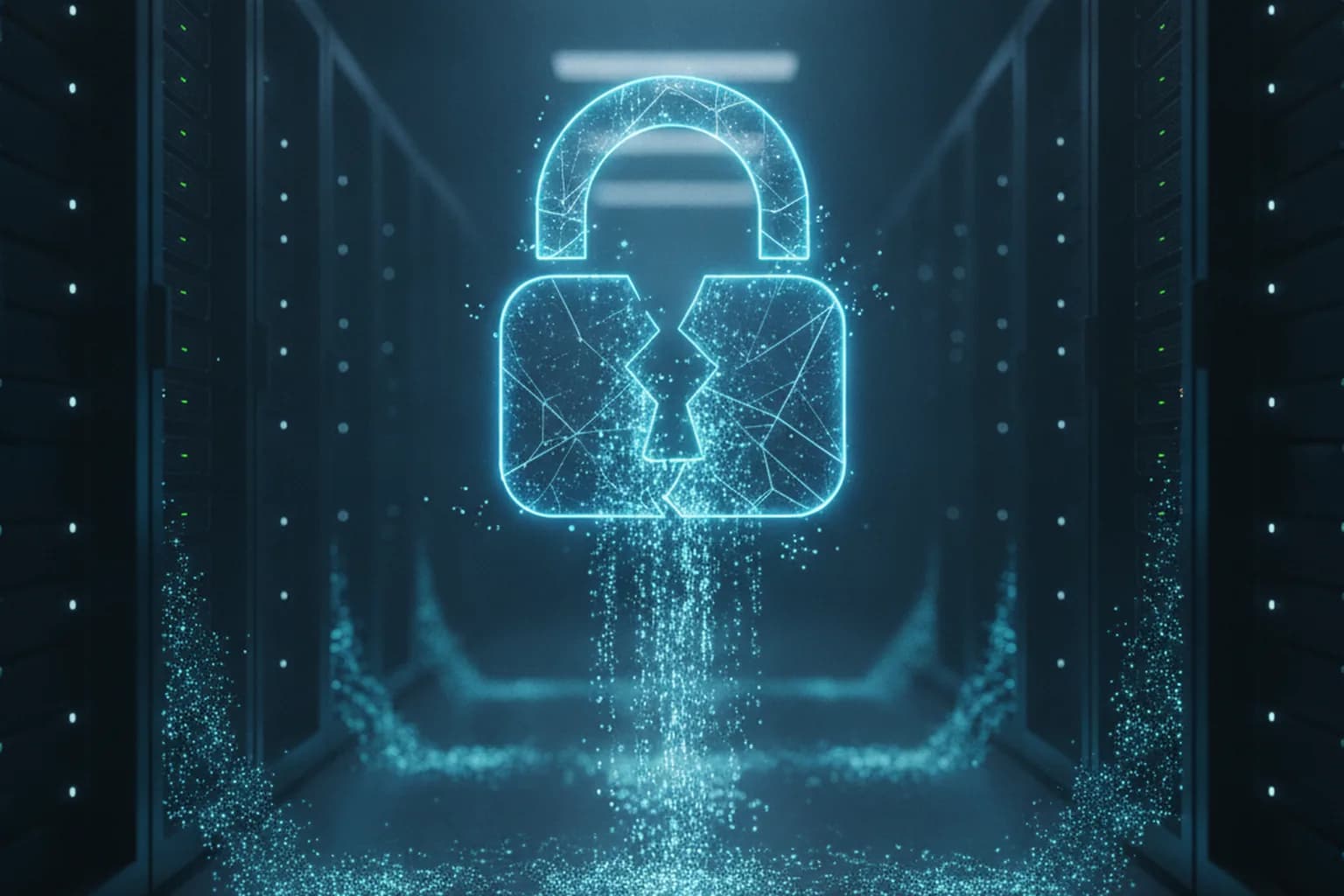
In short: On 21 July 2026 South Korea's Ministry of Foreign Affairs disclosed the largest data breach in its history: attackers sat undetected inside the diplomatic academy's training system for roughly ten months and reached about 10,000 records — data on nearly all current and former diplomats. No misuse has been confirmed yet, but the case is a vivid lesson about quiet, long-running intrusions and the danger of forgotten legacy systems.
What happened?
On 21 July 2026 South Korea's foreign ministry publicly confirmed a cyberattack on the Korea National Diplomatic Academy (KNDA), the institution that trains the country's diplomats. According to officials, intruders gained access to a server behind the academy's online learning platform in mid-2025 and kept control of it for around ten months. The National Intelligence Service spotted the intrusion in February 2026, but the incident was only announced to the public in July.
The exposed set covers roughly 10,000 records and affects at least 6,000 people, including some 350 attachés currently posted abroad. Job titles and departmental affiliations were among the details laid bare. This is the same category of long, silent compromise we examined in our report on corporate account leaks — and, as always, staying safe starts with the basics on our blog.
Why ten months is the key detail
The headline number is not the 10,000 records — it is the ten months. The learning platform was set up back in 2022 to run remote training during the COVID-19 pandemic and later doubled as a video-conferencing tool. A system built for a temporary need quietly became critical infrastructure holding sensitive personnel data, and nobody was watching it closely.
Security professionals call the time between a break-in and its discovery dwell time. The longer attackers stay unseen, the more they can map the network, copy databases and set up ways to return. Ten months of undisturbed access is a governance failure as much as a technical one: the danger is not only that someone got in, but that no alarm went off for the better part of a year.
What it means for you and your data
You are not a Korean diplomat, but the mechanics are universal. Old systems spun up "just for now" — a pandemic-era portal, a legacy CRM, an abandoned test server — pile up in almost every organization that holds your data: your clinic, your online store, your school. Each one is a possible entry point that no one is actively monitoring.
When such a system leaks, the fallout rarely stays put. Names, positions and contact details fuel targeted phishing: a message that knows where you work or study is far more convincing than generic spam. That is why a breach on the other side of the world still matters — the leaked details of one organization become the raw material for scams aimed at its people.
How can I tell if a breach affects me?
You usually cannot influence how an organization secures its servers, but you can limit the blast radius. Check your email address on Have I Been Pwned to see which known breaches it appears in. Turn on breach and login alerts where your services offer them, and treat any unexpected "confirm your account" message as suspicious until you verify it by opening the site manually.
How to protect your own data
Unique passwords everywhere. If a forgotten system leaks one password, a password manager keeps that single loss from unlocking your email, bank and work accounts.
Two-factor authentication. An authenticator app or hardware key means a stolen password alone is not enough to log in — the exact gap that long, silent breaches try to exploit.
Be skeptical of context-aware phishing. After leaks like this, scam messages get more personal. Never enter credentials via a link in an email; type the address yourself.
Cover the network layer. To be honest, a VPN cannot protect a database on some organization's server, and it will not undo a leak that already happened. But a VPN such as LiMP VPN encrypts your traffic on untrusted networks so logins cannot be intercepted in transit, and hides your real IP from sites and your provider. It covers the network half of privacy — see how on our features page — while the habits above cover the rest.
Sources
This report is based on coverage by Rossiyskaya Gazeta, Lenta.ru, BleepingComputer and The Record (July 2026).